

I’m just back from a week photographing wildlife in one of my favourite U.K. areas, the Elan Valley in Wales. The weather was a mix of sun and showers, typical for this part of the world but an unusually cold northerly wind prevailed for much of the week meaning birds were less inclined to spend time singing in the open, instead focussing their resources on finding food for the nestlings.
Celtic Rainforest
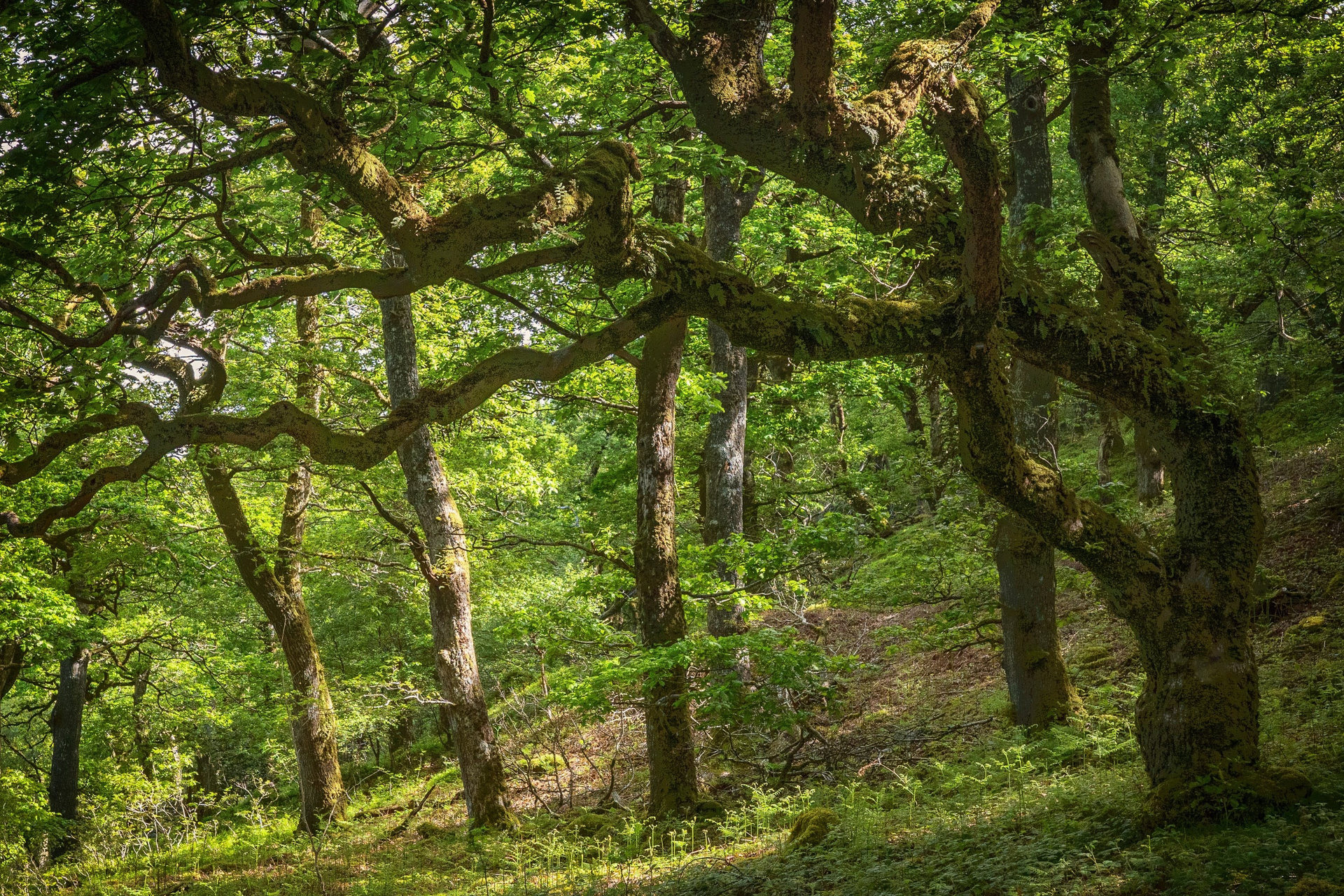
Nestled within Mid Wales, the Elan Valley (Cwm Elan) safeguards a rare, magical ecosystem: the Celtic Rainforest. Drenched in high humidity and mild oceanic air, these ancient sessile oak (Quercus petraea) woodlands host a breathtaking abundance of mosses, liverworts, and lichens that coat every branch. This lush, structural complexity creates a productive habitat for specialised woodland birds and is a great place to observe and photograph the summer migrant species.
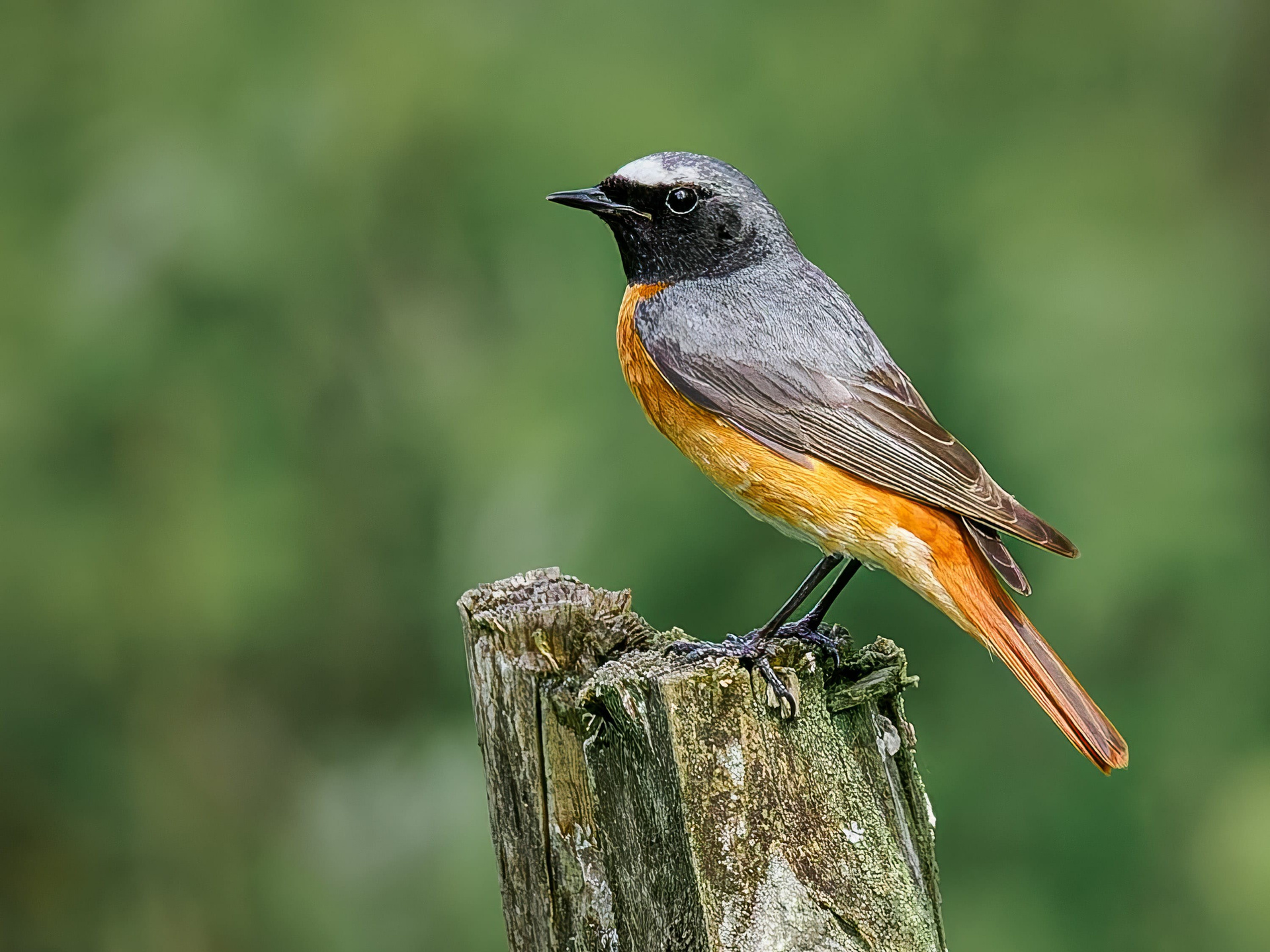
Common Redstart (Phoenicurus phoenicurus)
Arriving in spring from sub-Saharan Africa, the Common Redstart injects vibrant color into the lower canopy. The males are unmistakable with their striking orange breasts, black throats, and constantly quivering, bright red tails. They prefer the open structure of the mature oak hillsides, where they dart from low branches to snatch insects out of mid-air or drop to the ground to forage in the leaf litter. Nests are in tree holes or nest boxes.
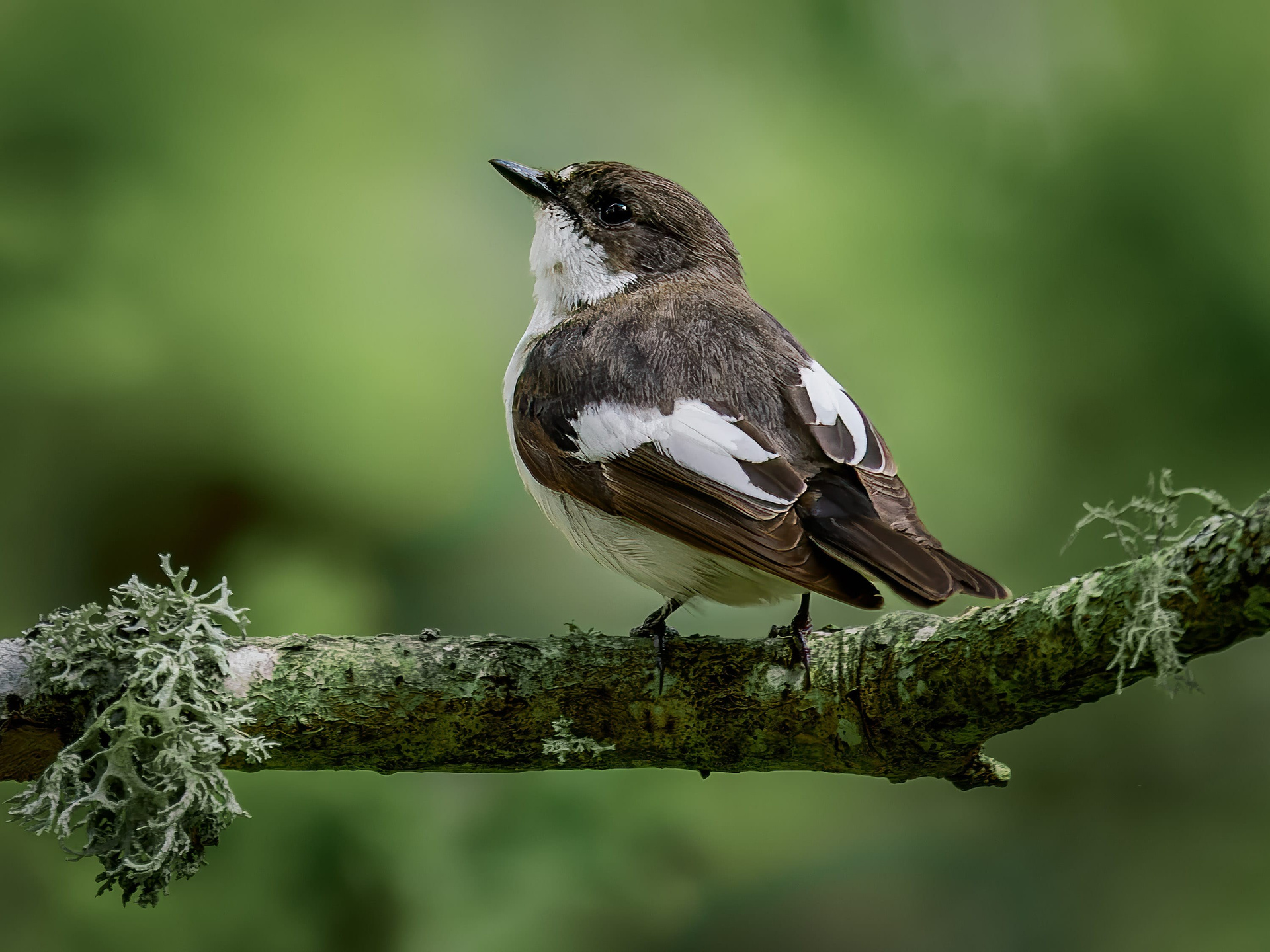
Pied Flycatcher (Ficedula hypoleuca)
Another long-distance migrant that relies on this wet woodland is the Pied Flycatcher. Sporting a crisp black-and-white plumage, the males establish territories centered strictly around nest boxes or mature trees with hollow cavities. They are highly specialised insectivores, using agile, acrobatic flight manoeuvers to catch flies, beetles, and caterpillars that thrive in the damp, humid conditions of the rainforest. A challenge to manage the high contrast plumage retaining feather detail in both extremes. As with the Common Redstart capturing a catchlight is crucial in order to help define the subject’s eye.
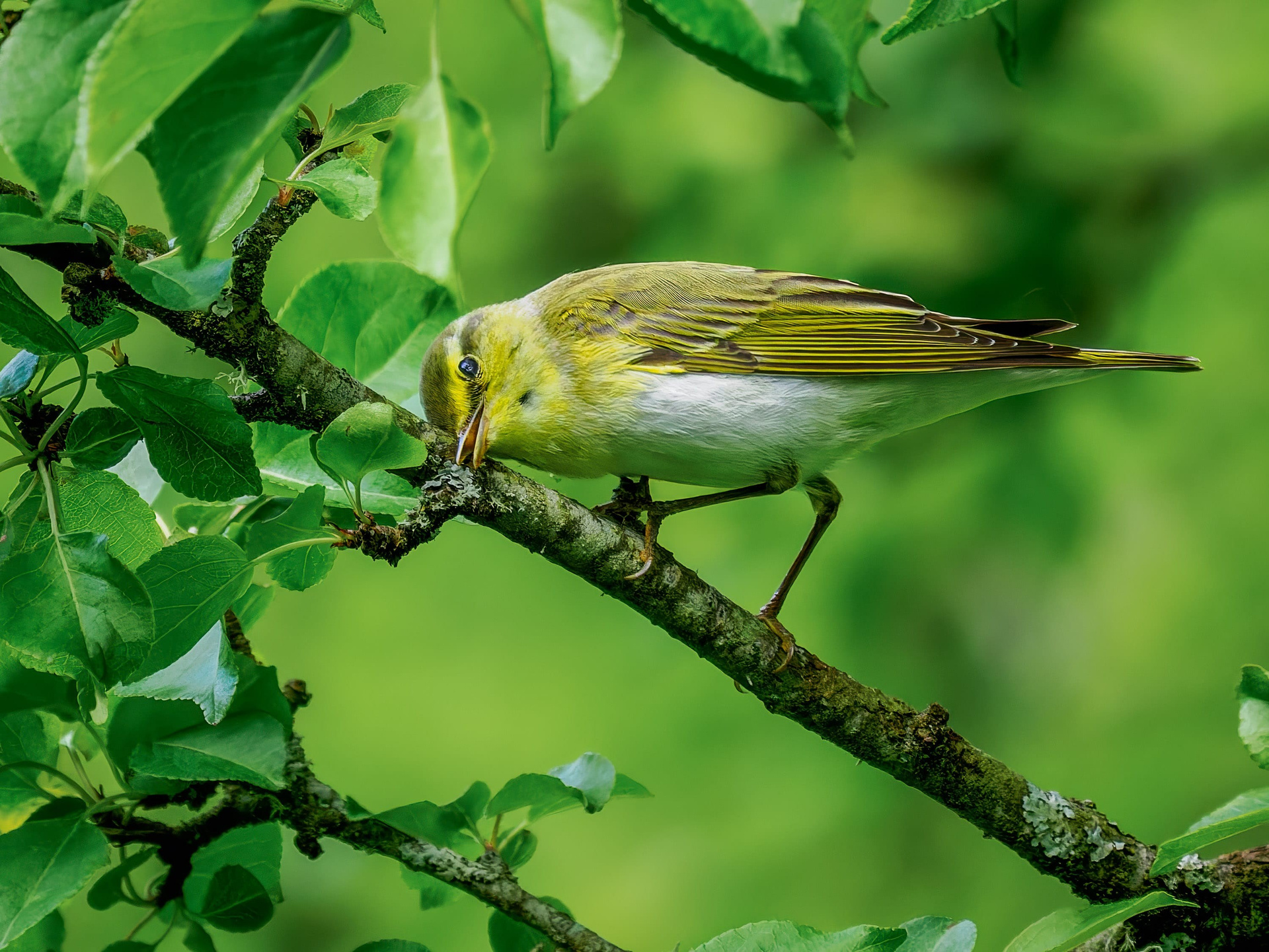
Wood Warbler (Phylloscopus sibilatrix)
The Wood Warbler is the quintessential sound of the Celtic Rainforest. This bright, lemon-yellow and white leaf-warbler actively avoids thick undergrowth, choosing instead the high, closed canopy of the sessile oaks. Steeply sloping woodlands provide an opportunity to photograph the birds at eye level. Their shivering, metallic song — resembling a spinning coin slowing down on a marble table — echoes through the woods as they build domed nests hidden right on the ground among the mosses.
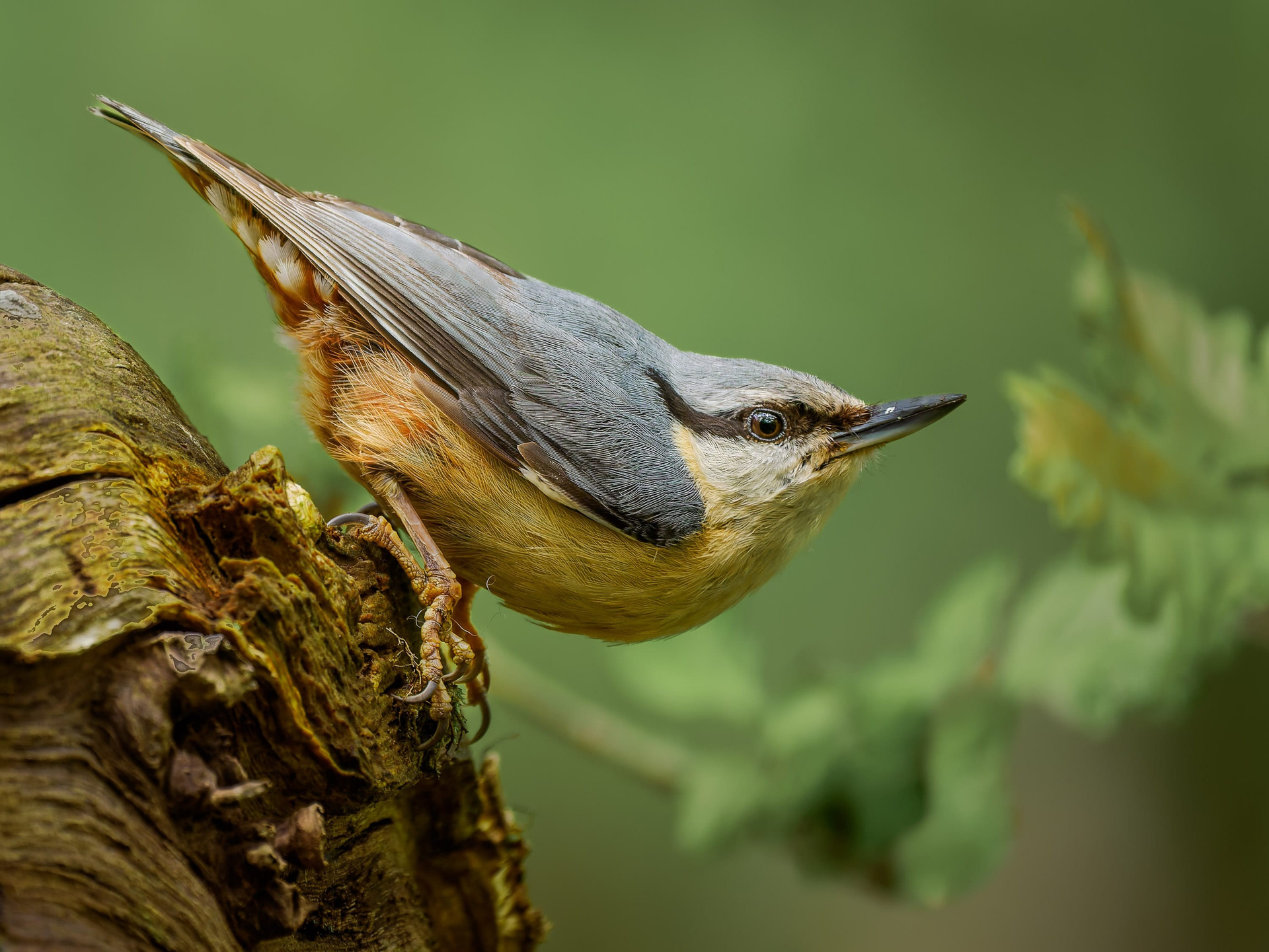
European Nuthatch (Sitta europaea)
The European Nuthatch is a frantic, year-round resident of the oak trunks. With a blue-gray back and a bold black eye-stripe, it is the only UK bird capable of walking headfirst down a tree trunk. They use their powerful, dagger-like bills to pry into the deeply fissured bark of ancient sessile oaks, uncovering hidden invertebrates and hammering open seeds wedged securely into the bark crevices.
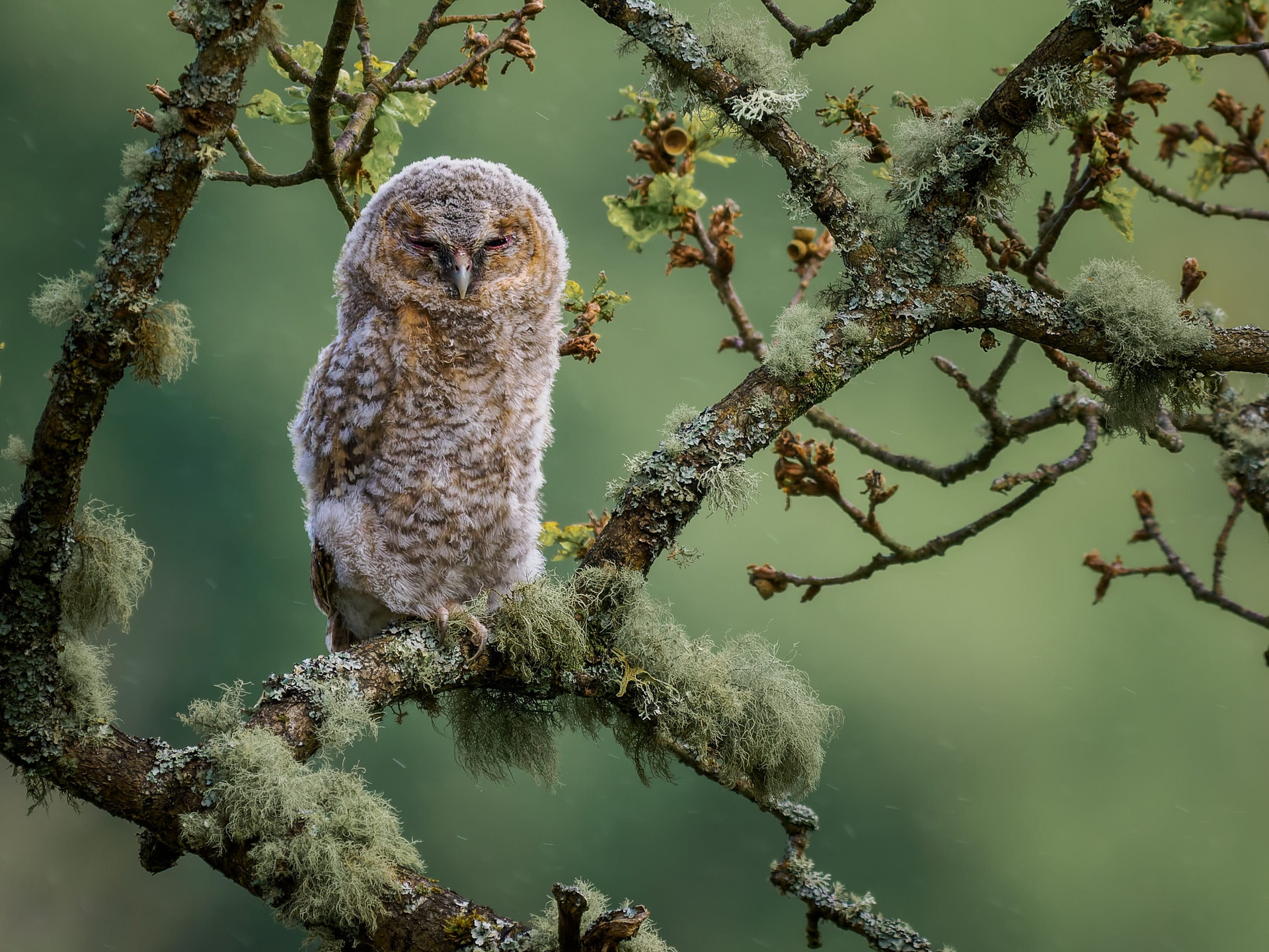
Tawny Owl (Strix Aluco)
Tawny Owls breed early in Celtic woodlands, relying on ancient, hollow sessile oaks for secure nesting sites. The productive rainforest ecosystem provides an abundance of wood mice and bank voles to feed hungry owlets, pictured here. Highly territorial, the pairs utilise the dense, moss-draped canopy for camouflage, aggressively defending their territory as they raise a single annual brood.
Fancy some bird photography in the Elan Valley?
I can highly recommend the area for springtime bird photography. In addition to the featured woodland species the fridd (moorland edge) holds Tree Pipit (Anthus trivialis), Whinchat (Saxicola rubetra), Stonechat (Saxicola rubicola) and Britain’s smallest falcon the Merlin (Falco columbarius). Red Kites (Milvus milvus) are numerous, Eurasian Goshawk (Accipiter gentilis) and Peregrine Falcon (Falco peregrinus) possible. The area holds the densest population of Raven (Corvus corax) in the U.K. Dipper (Cinclus cinclus) and Grey Wagtail (Motacilla cinerea) are widespread on the rivers and streams of the valleys.
My self-catering accomodation for the week was The Clyn, a a secluded 10‑acre smallholding on the moorland edge high above the Elan Valley with two charming character cottages. Affordable and sustainable it offers abundant wildlife in its grounds with open access moorland and fridd beyond. Highly recommended.


