When I started on my foray into the world of old film cameras my intention was to buy one of each type — 35mm SLR and rangefinder, medium format twin lens reflex, single lens reflex and folder.
That was the plan. After only a few months and twenty or so rolls of film I’ve learned that, for the time being at least, TLRs are where my heart lies. They have a charming elegance and simplicity and their looks attract admiration from passers by and result in great discussion with people of all ages and nationality.
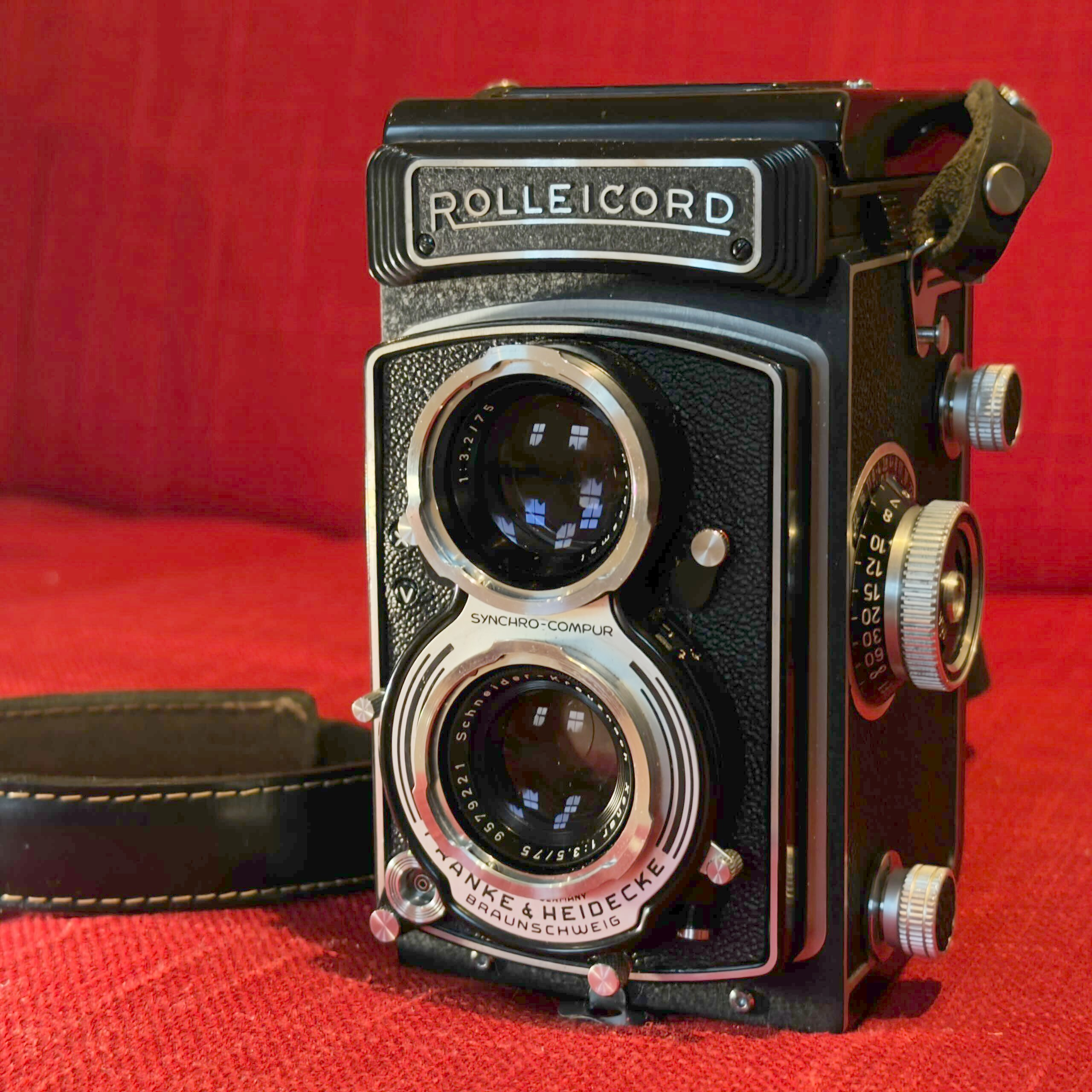
My initial research had prompted me to to rule out the Rollei brand from my shopping list. An unparalleled reputation for quality, yes, but a correspondingly high price, particularly for the later most desirable Rolleiflex models where prices are inflated by collectors’ demand. Then a good looking Rolleicord came across my radar. It was in excellent working and cosmetic condition, had a history of regular use by a long-term owner (old cameras left on the shelf can deteriorate) and had recently been serviced by an ex Rollei technician. The owner also had a Rolleiflex and was selling the ‘cord reluctantly. It duly arrived in the anticipated near-mint condition and I had replaced £310 of my bank balance for a 1966 Rolleicord Vb with leather case, accessories and original manual. It can only appreciate in value so man maths triumphs again.
They say the Rolleicord is “the poor man’s Rolleiflex”. Franke & Heidecke positioned it as a lower cost option for keen amateurs although it was used by many professionals and famous photographers including Vivian Maier. Compared to the contemporary ‘flex it has no automated film loading, knob rather than crank wind, shutter release via the cocking lever, no exposure meter option and the more basic of the lens options though you’re unlikely to tell the lenses apart unless shot wide open. According to Rollei technicians working on them today they share many common parts and the build quality is identical.
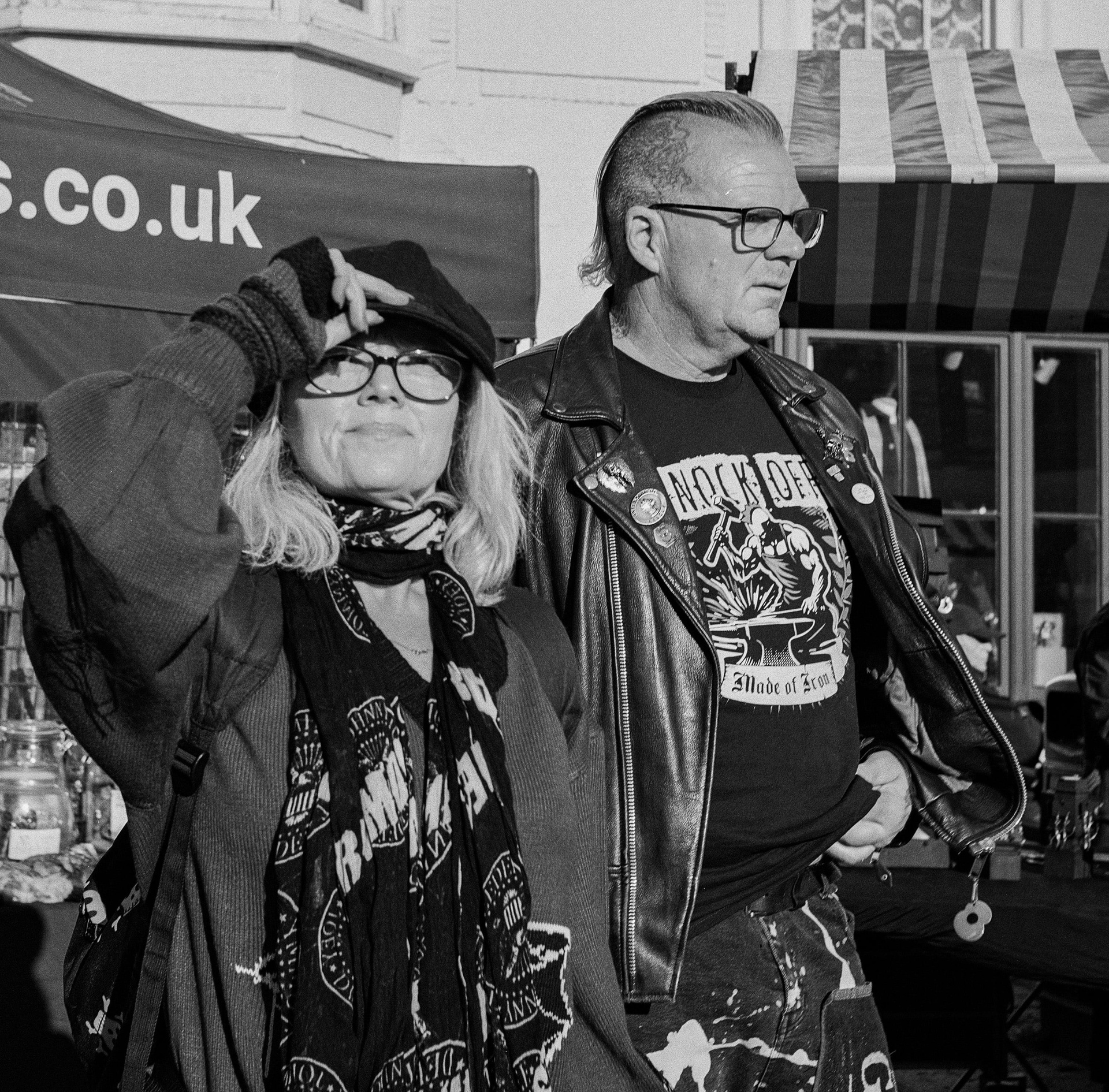
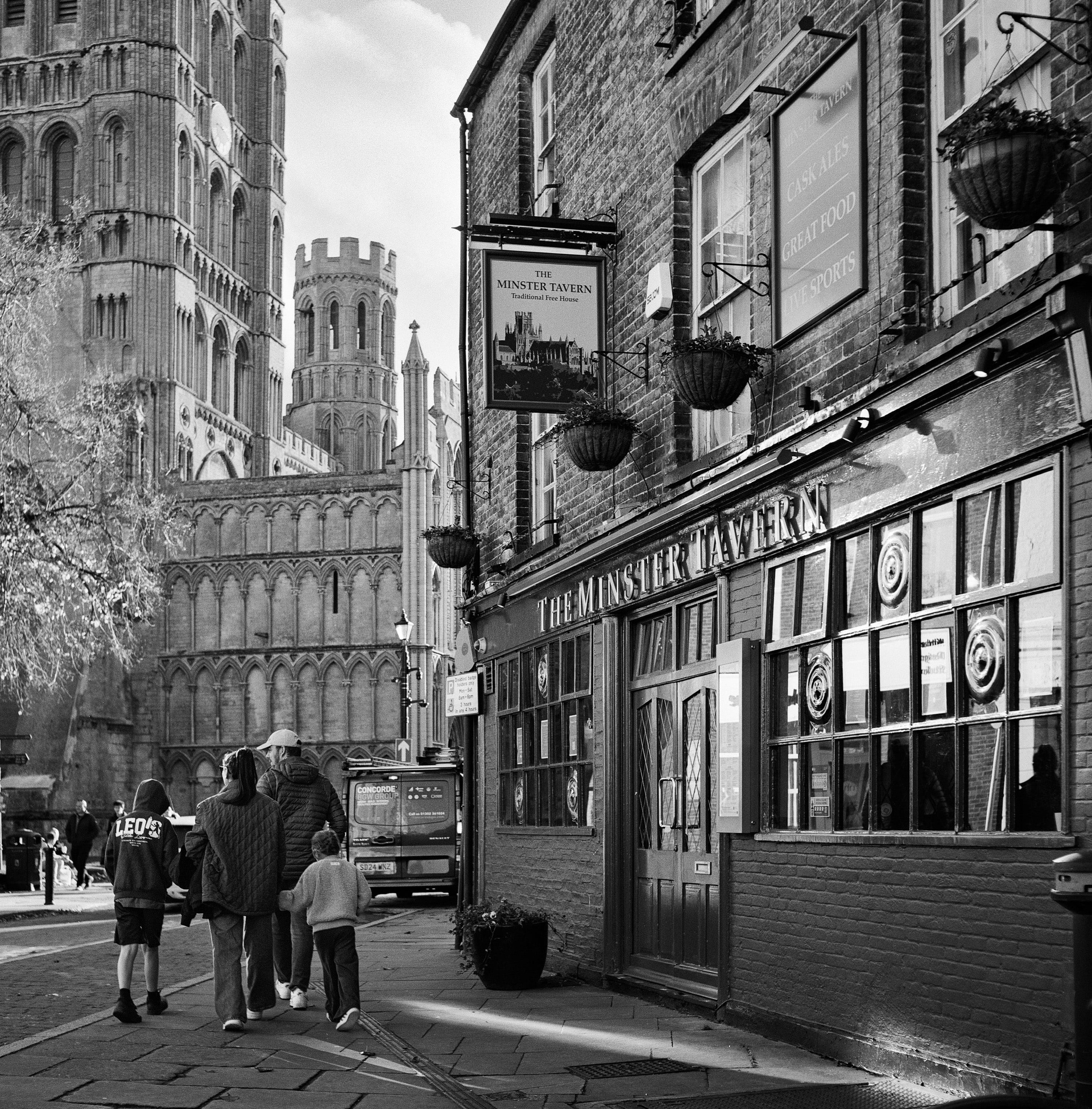
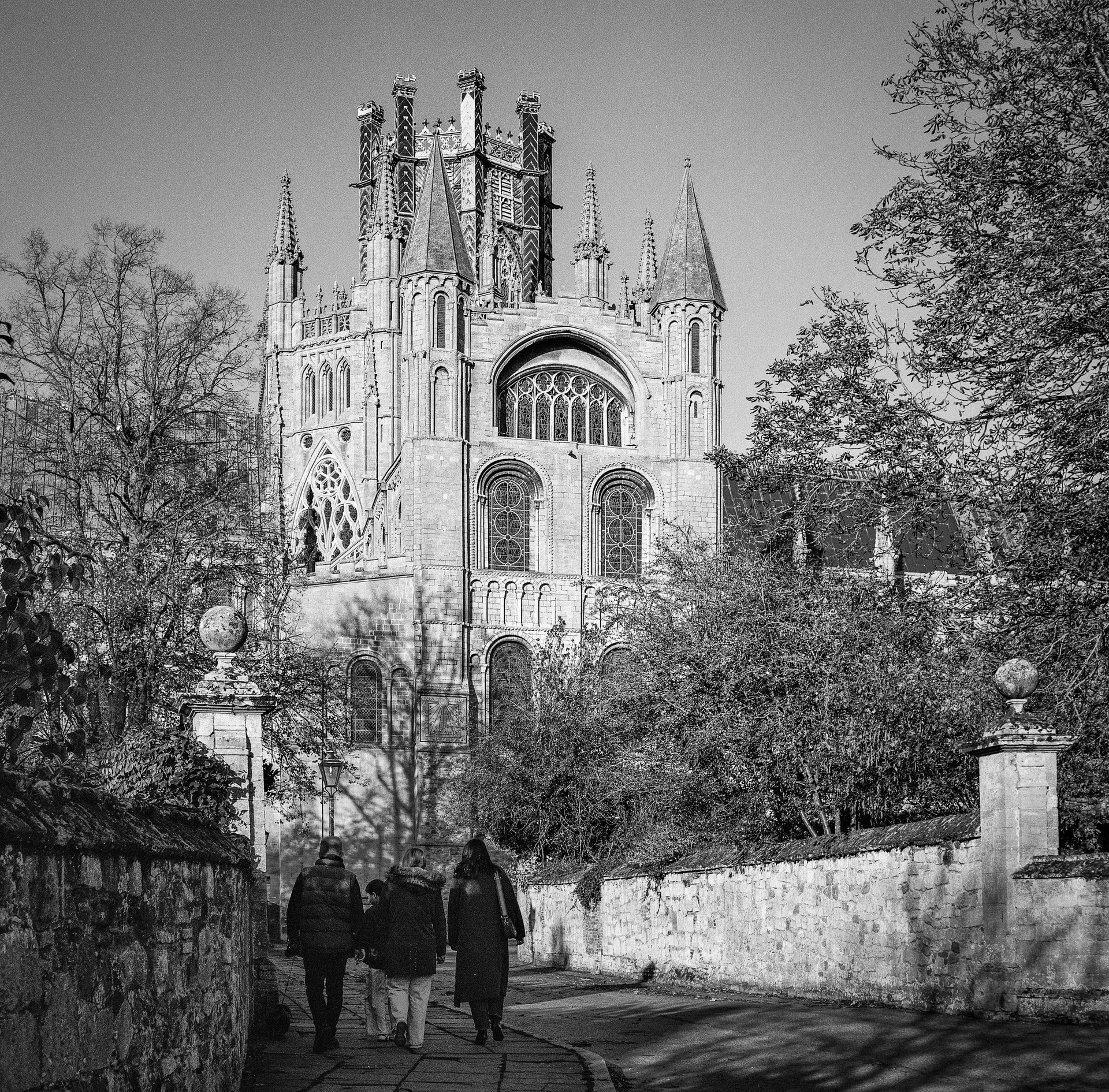
How does it compare with my Yashica 124G TLR? It immediately feels a higher quality and is a little smaller and 100g lighter. Everything about it says precision. The one downside so far is the shutter is so quiet that it can be difficult to know if you’ve taken the shot, particularly on the street. Photos from the Schneider-Kreuznach Xenar 1:3.5 75mm lens have excellent sharpness and a character I appreciate.
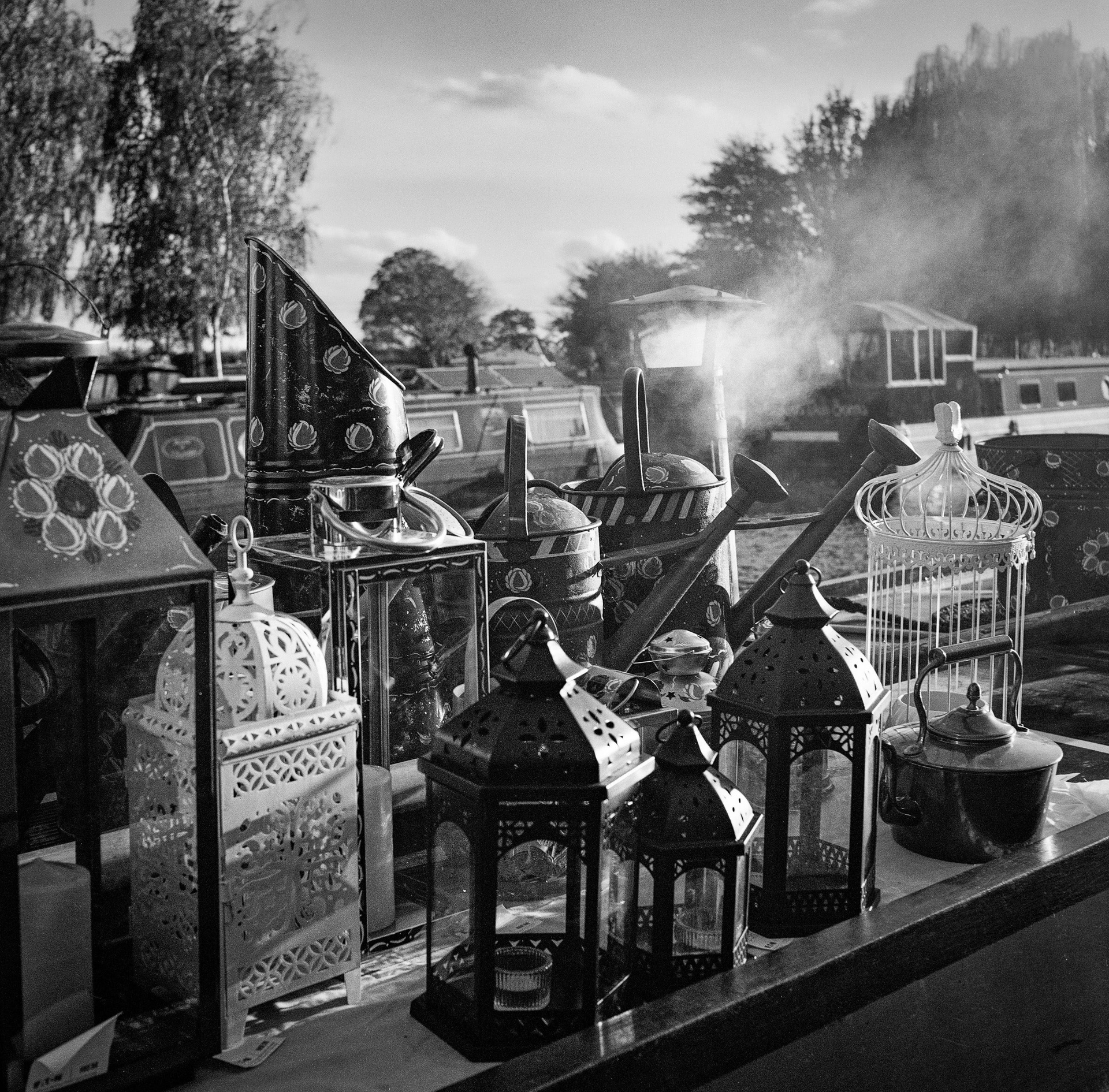
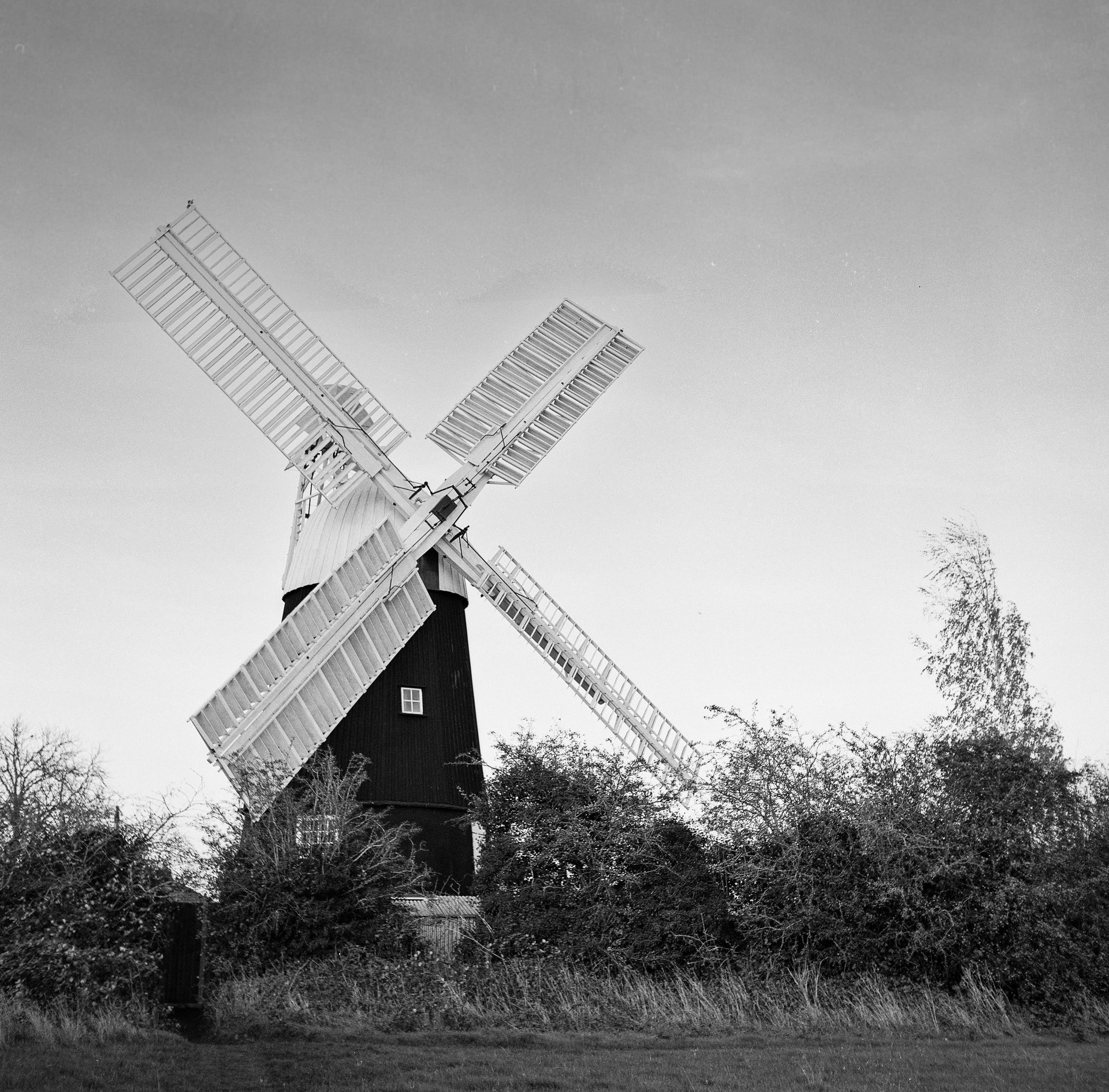
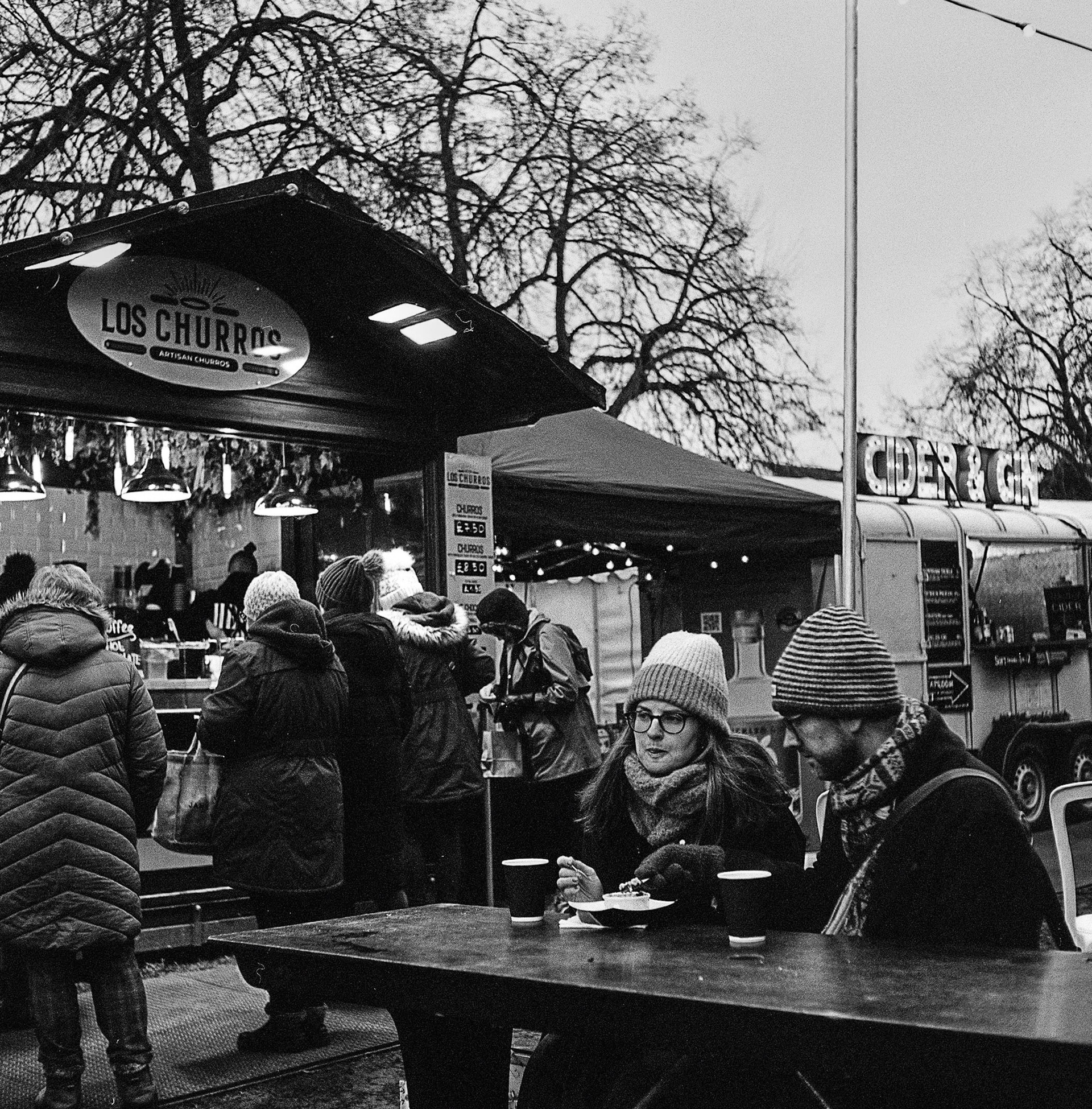
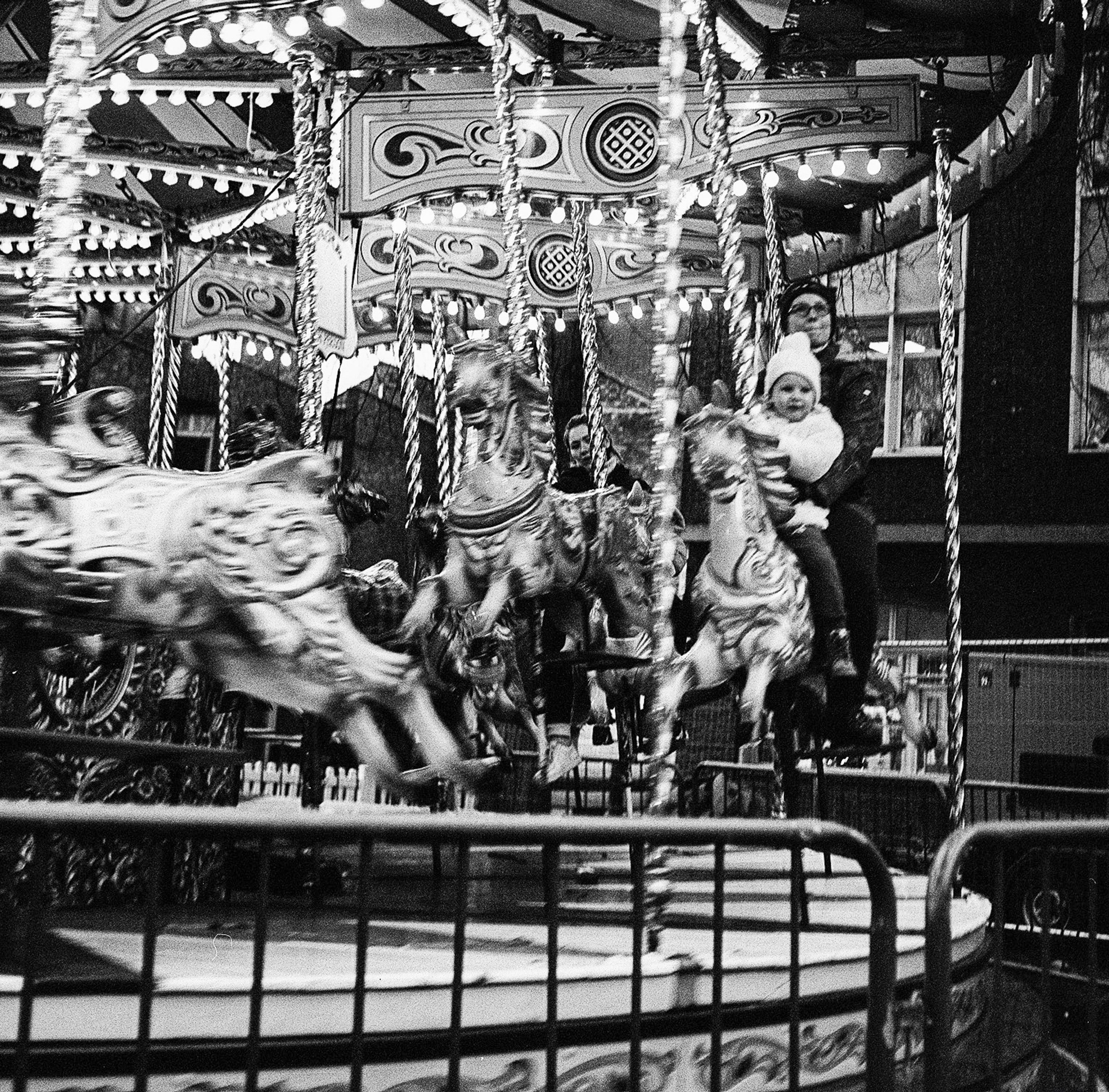
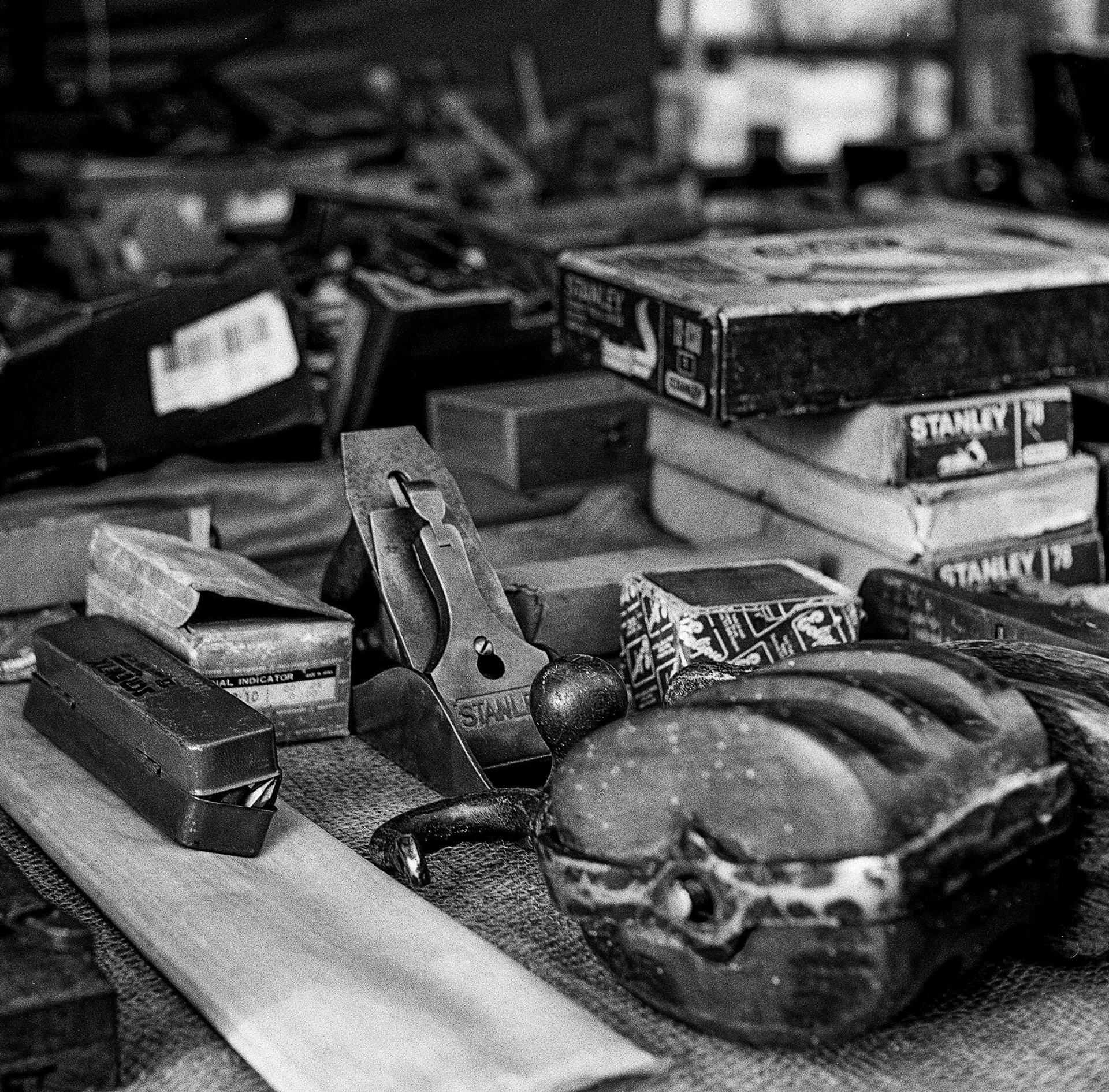
These photographs were taken around Ely on Ilford XP2 Super 400, which is fast becoming my favourite 120 film.