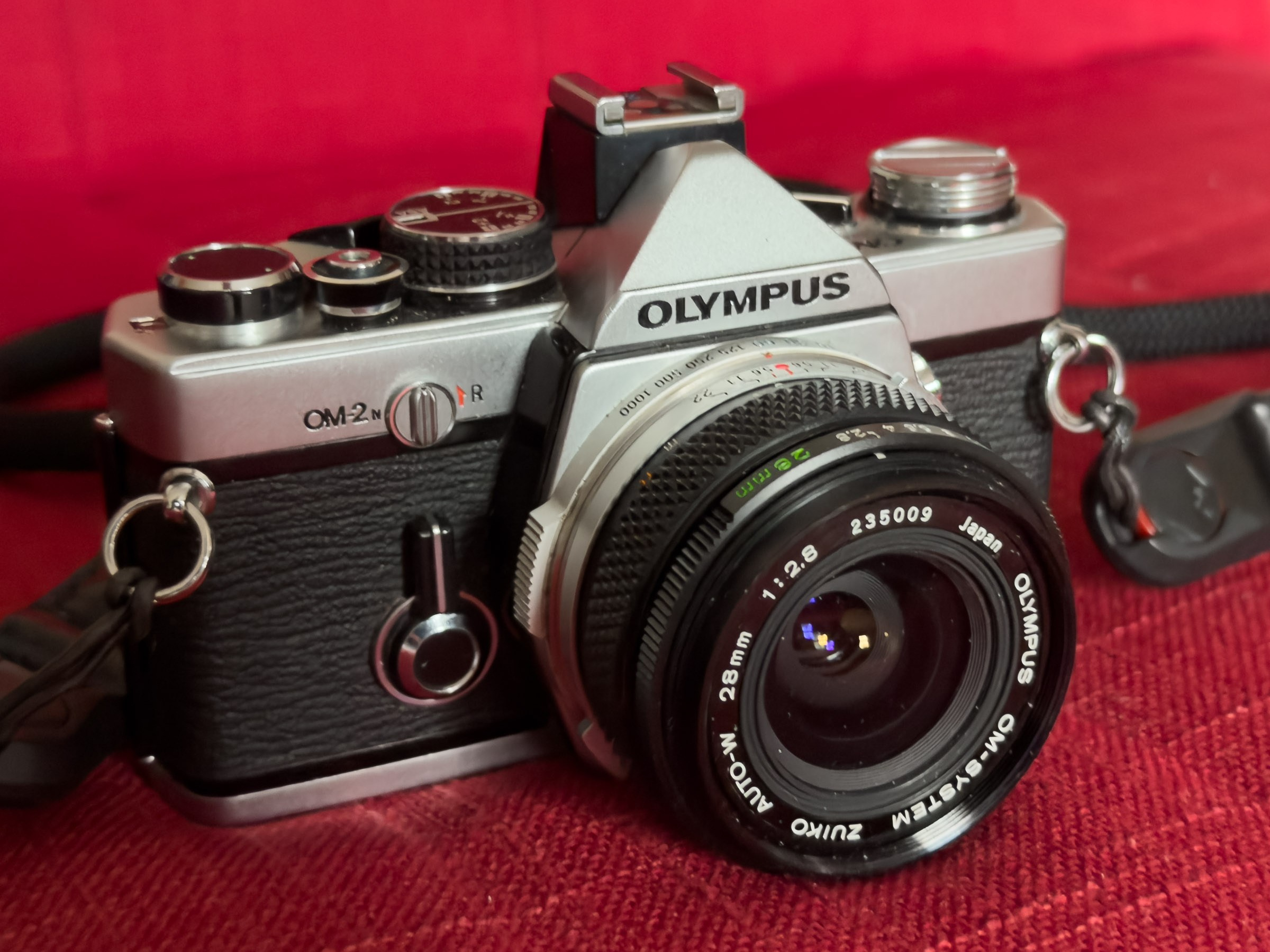
The last film camera I owned before going fully digital was an Olympus OM-2N. I always loved its build quality, the sharp Zuiko lenses, that bright, generous viewfinder, and the fact it all came in such a compact package. So when I decided to dip my toes back into film photography, there was really only one place to start.
Thankfully, the OM-2N was produced in healthy numbers back in the 1970s, which means it’s still easy to find today at sensible prices. I paid £160 for mine with a 50mm f/1.8, then added a 28mm f/2.8 for £80 and a 100mm f/2.8 for £185. Everything is in mint condition — a pleasant reminder of how well these cameras were made.
That naturally raises the question: how does 35mm film compare to medium format? On paper, it’s no contest. A 6×6cm negative on 120 film has roughly four times the area of a 35mm frame, which means finer grain, smoother tonal transitions, and more detail overall. Medium format simply delivers higher image quality.
But image quality isn’t everything. Despite its limitations, 35mm quickly became the format of choice for press photographers, and for good reason. Smaller cameras, faster handling, and 36 exposures per roll made it far better suited to reactive, on-the-move shooting. Medium format, with its slower pace and bulk, was left largely to studio and landscape work, where quality mattered more than speed.
Personally, I don’t find my Yashica Mat 124G TLR a burden to carry for a few hours on the street — it fits comfortably in my Hadley Pro sling bag alongside another body. Even so, the OM-2N has earned its place as a permanent part of the kit. I still regret selling my original one.
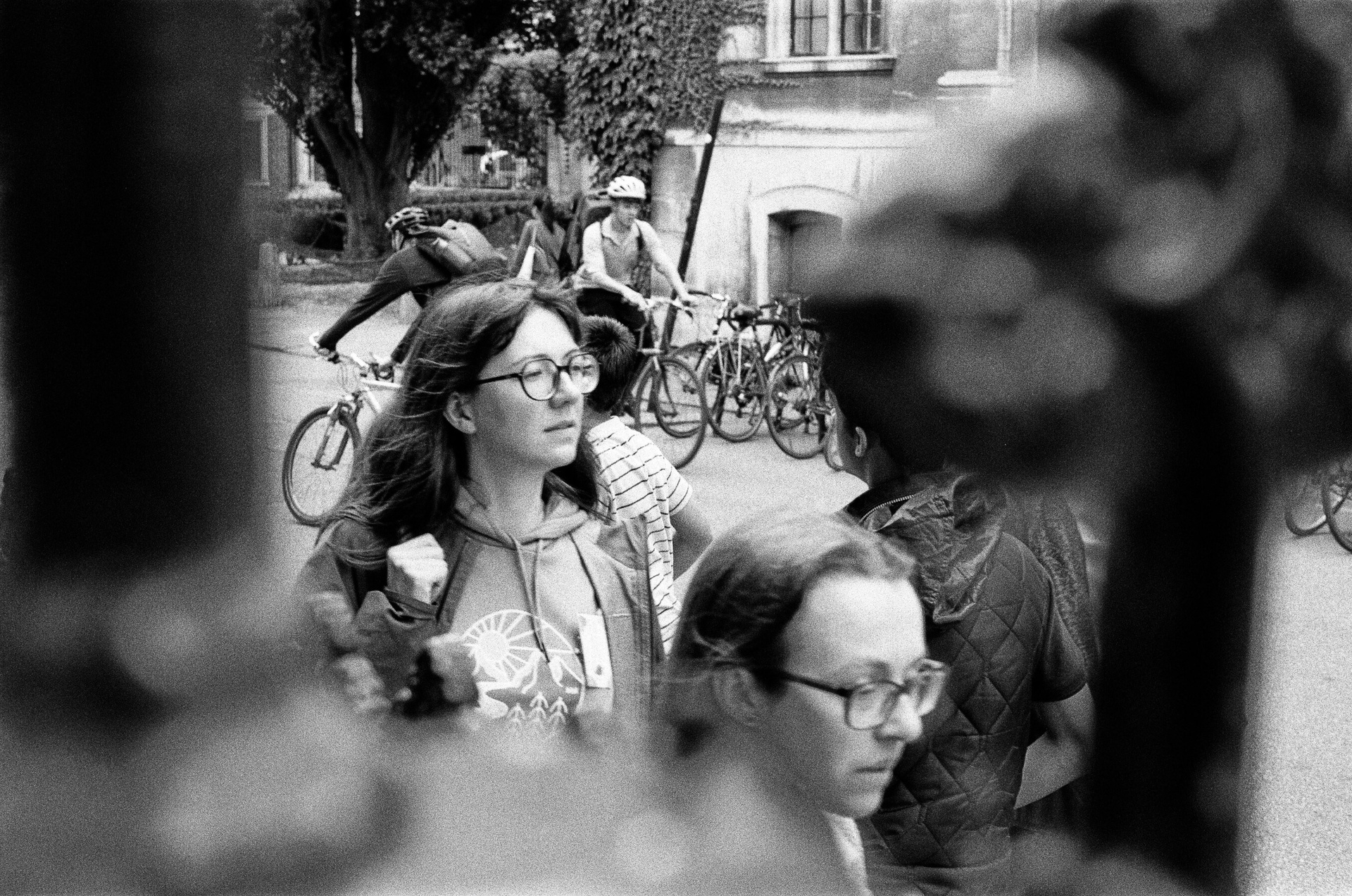
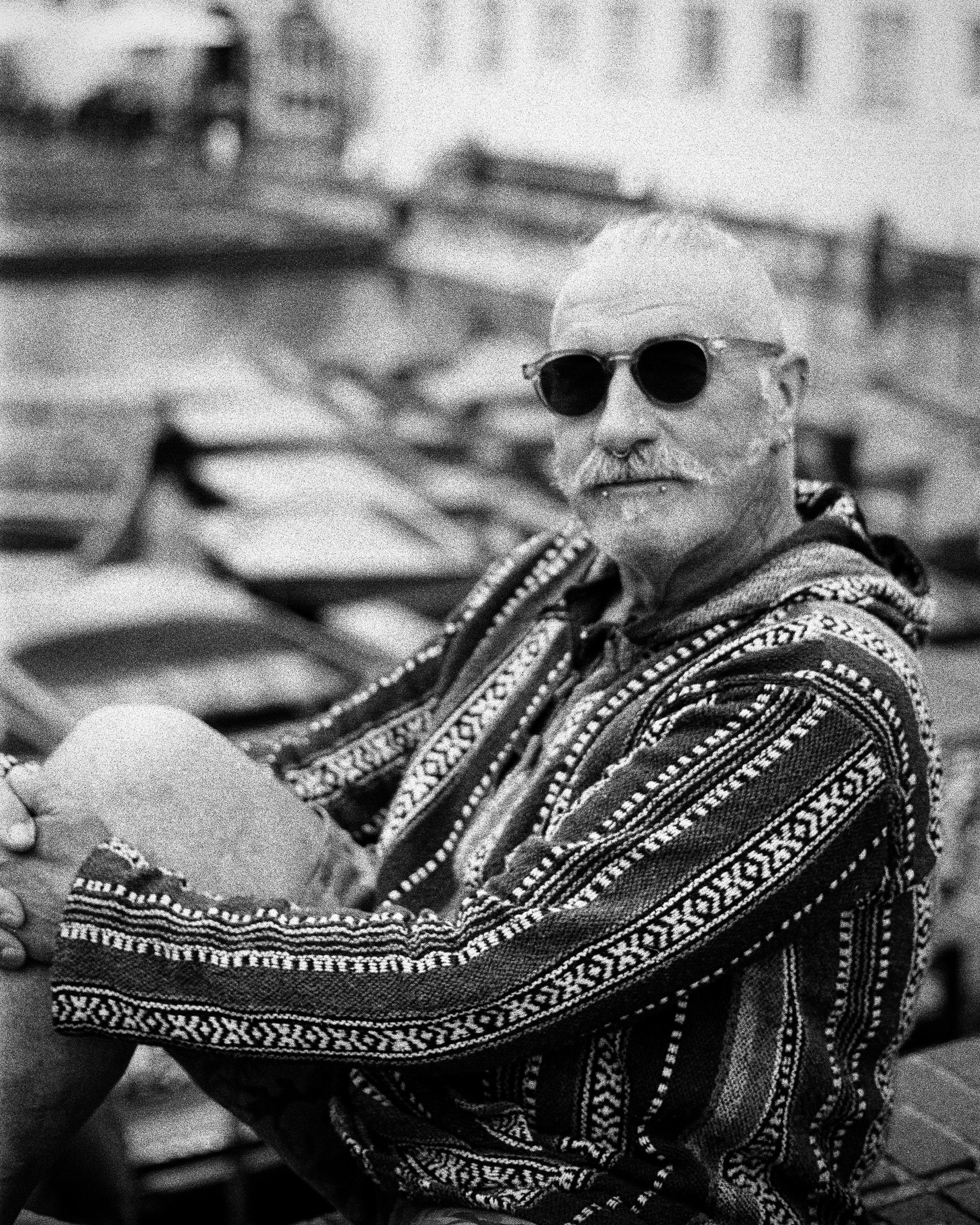
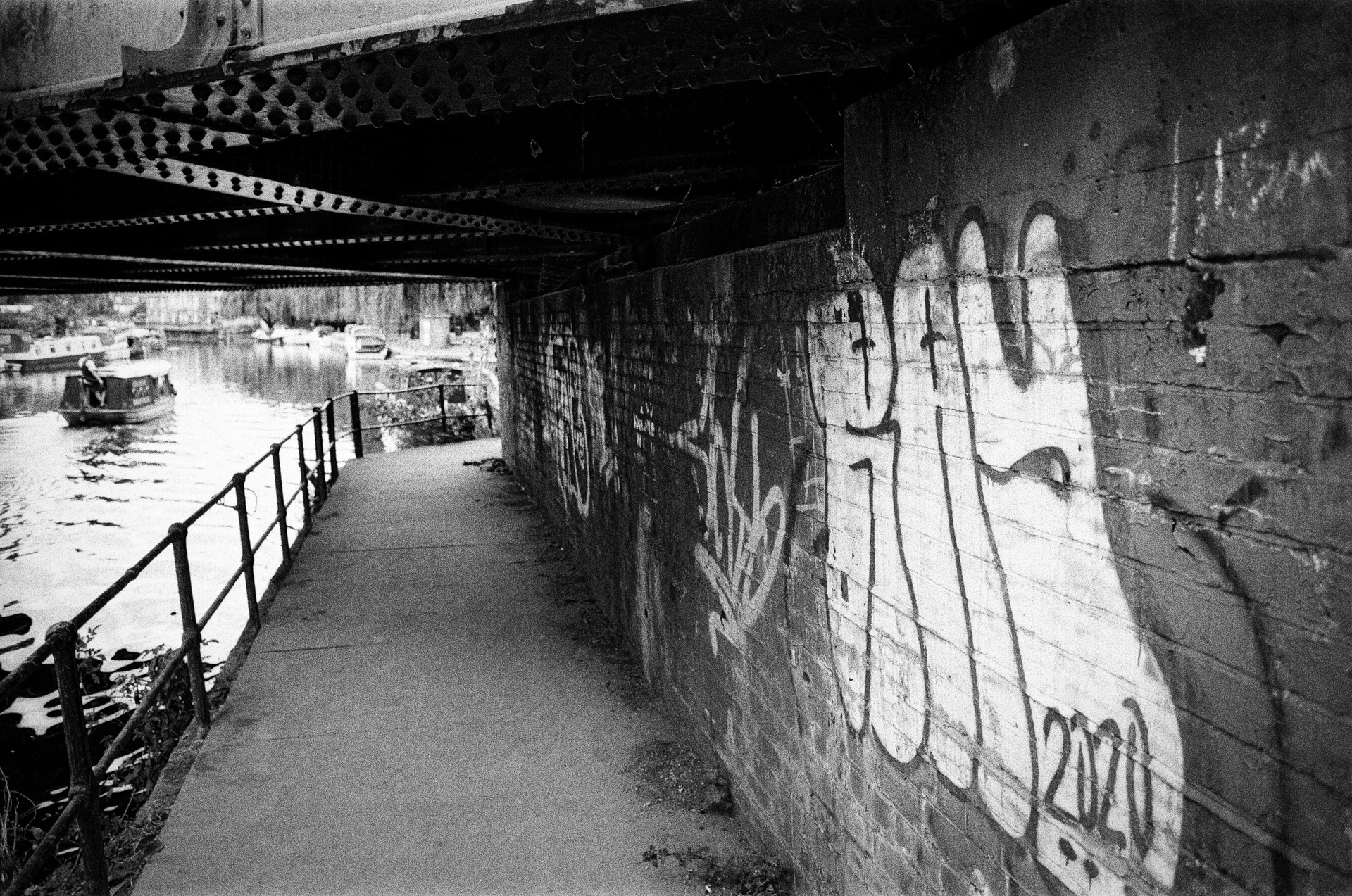
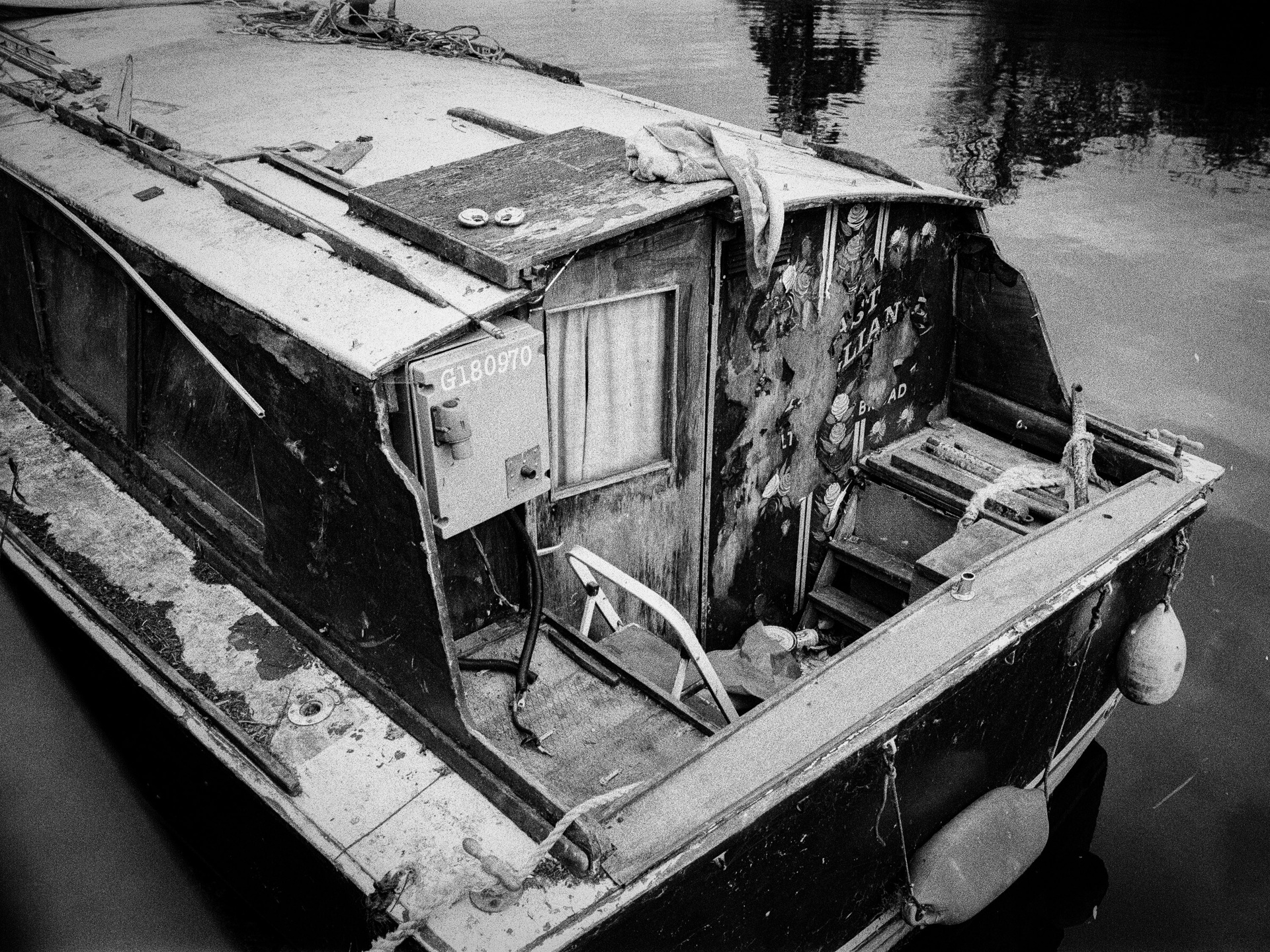
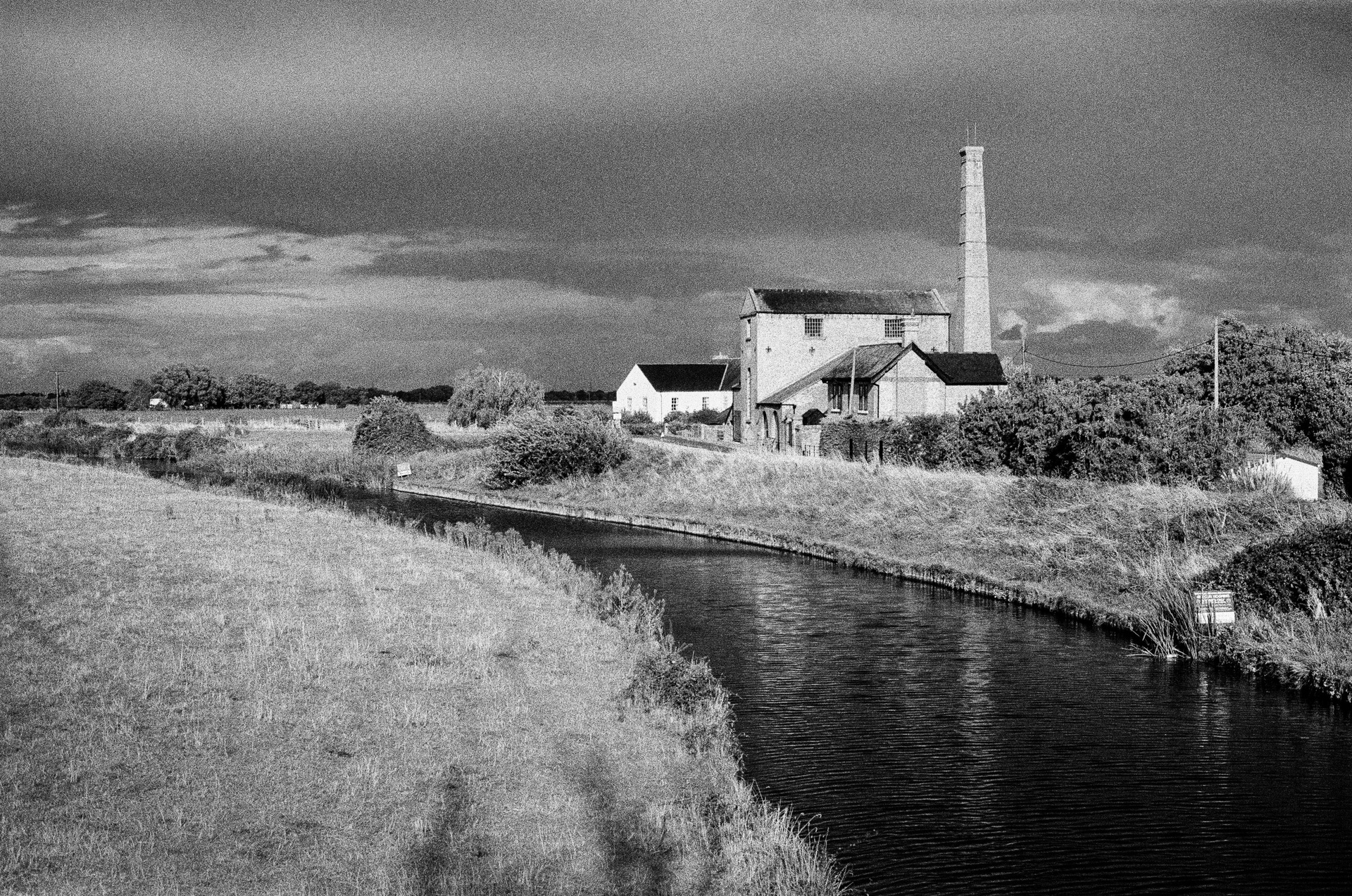
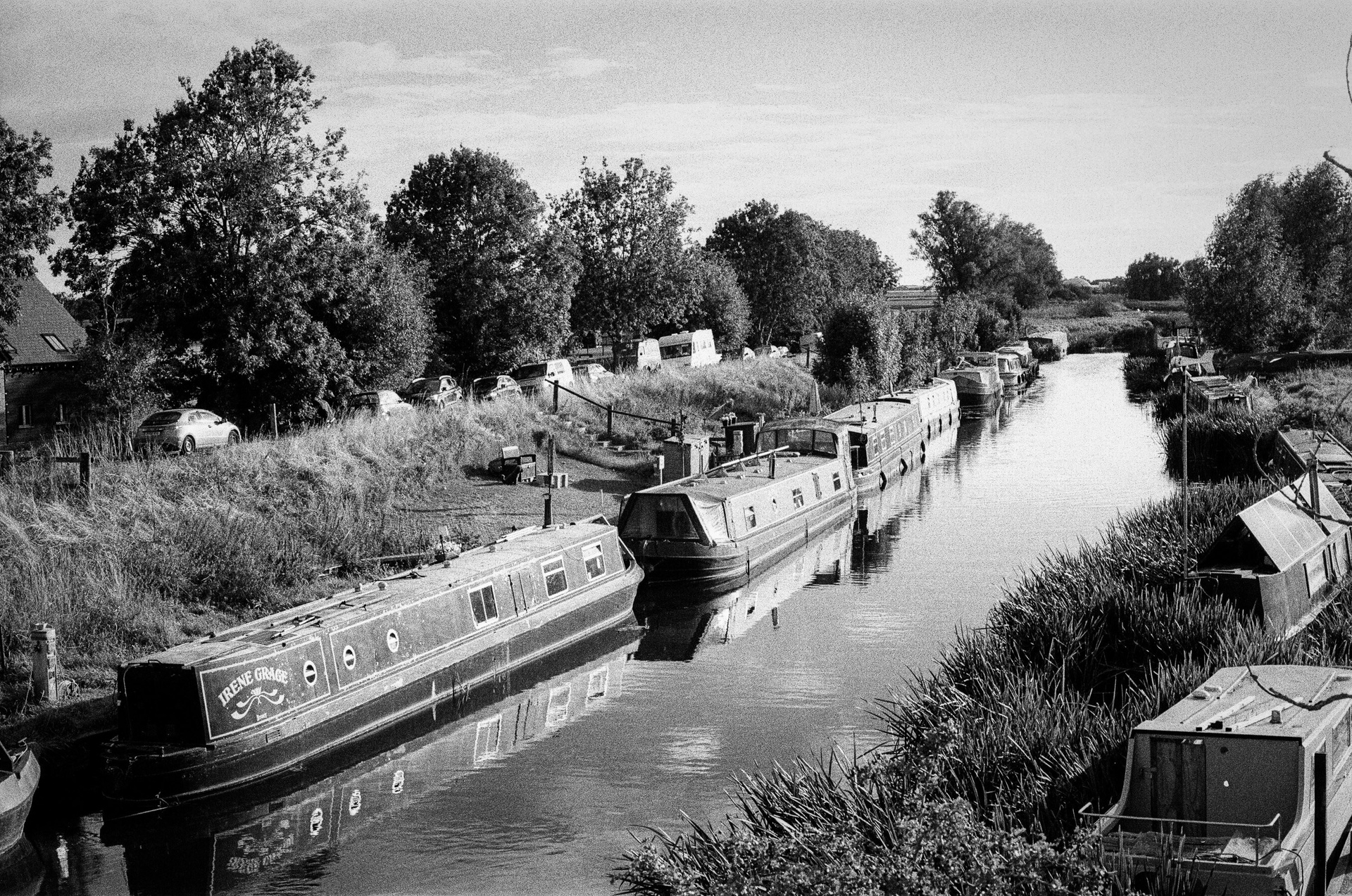
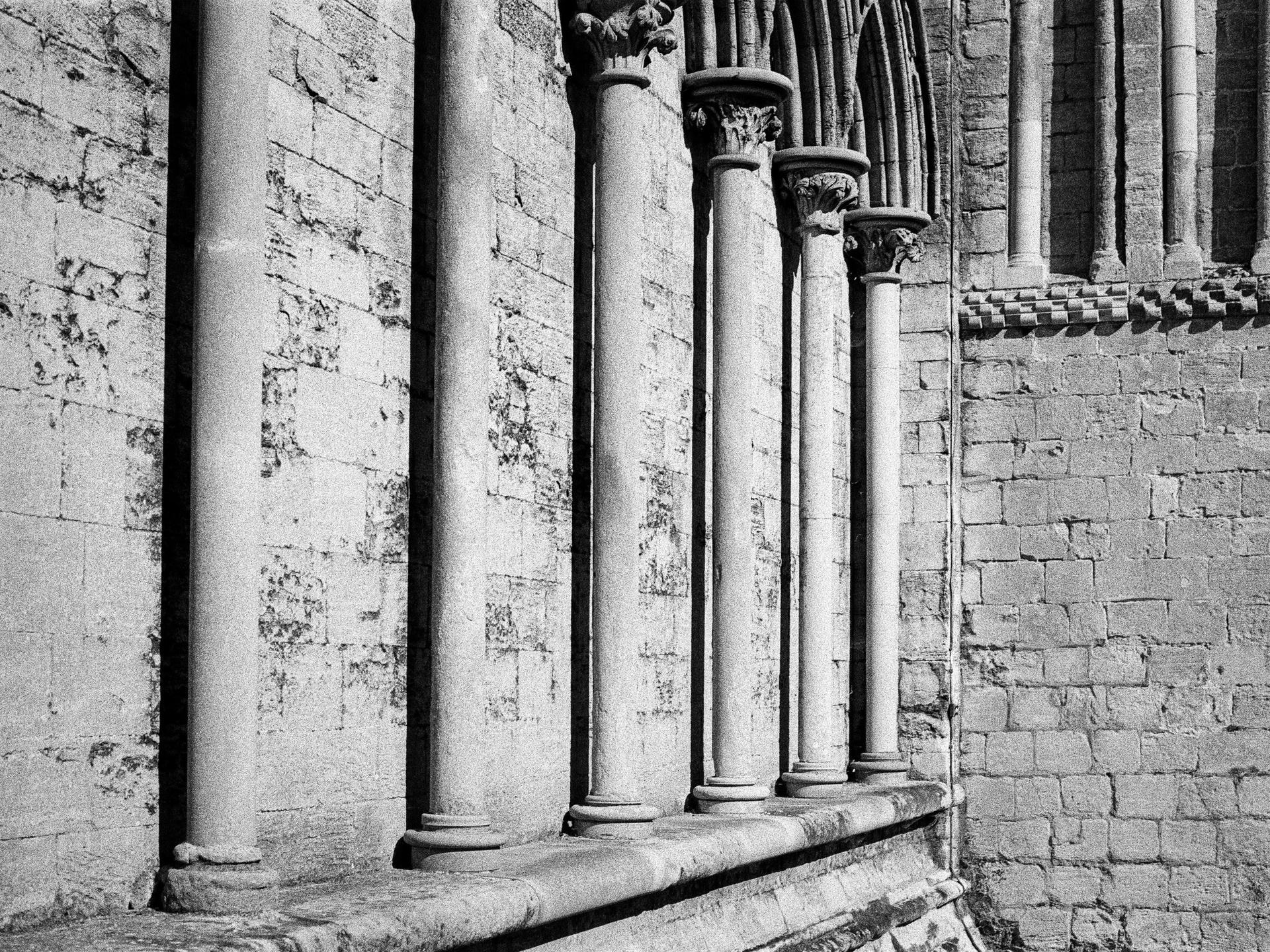
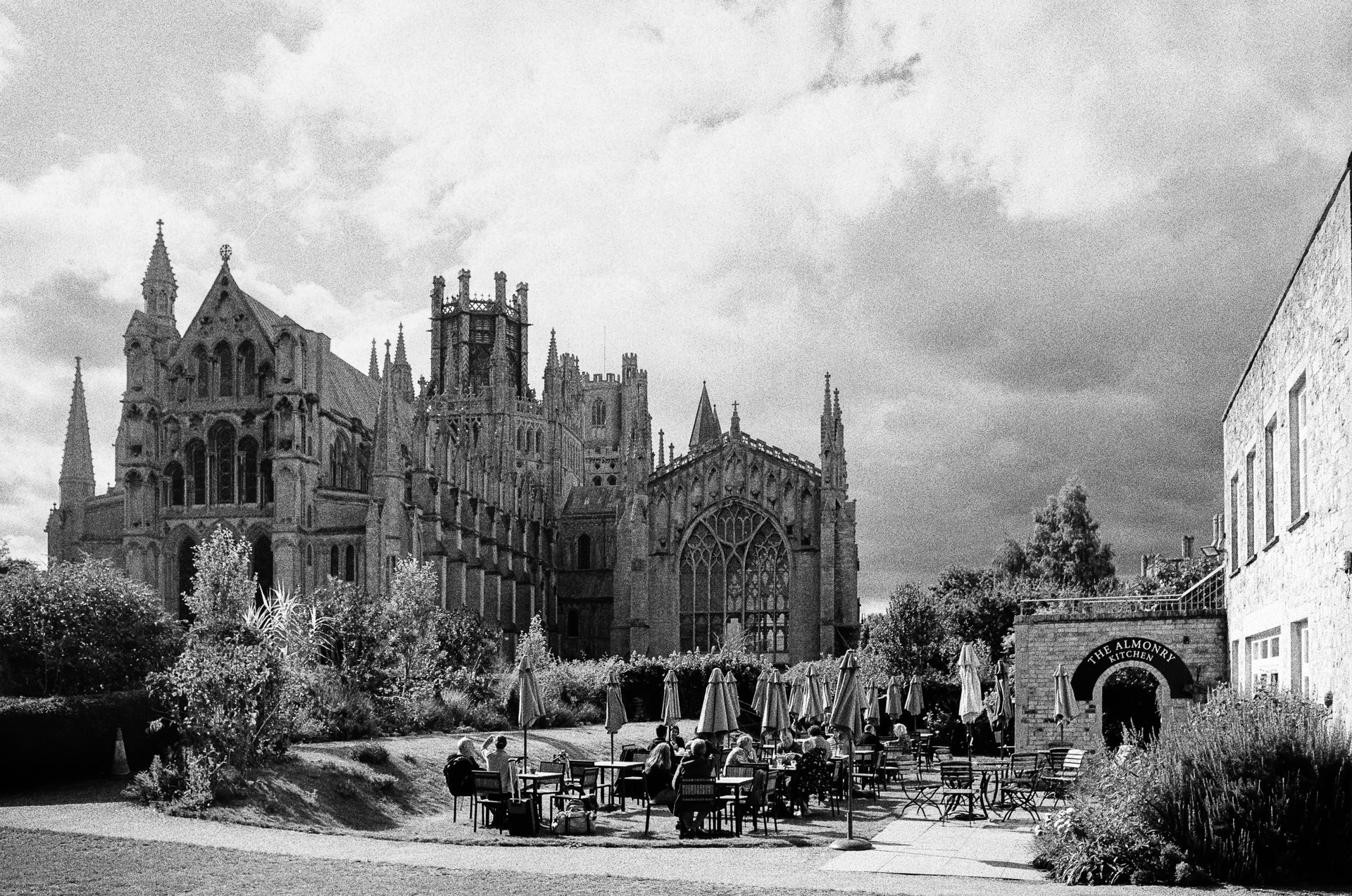
What follows are a few images from the first roll through the Olympus — Ilford HP5+, shot around Cambridge and Ely.